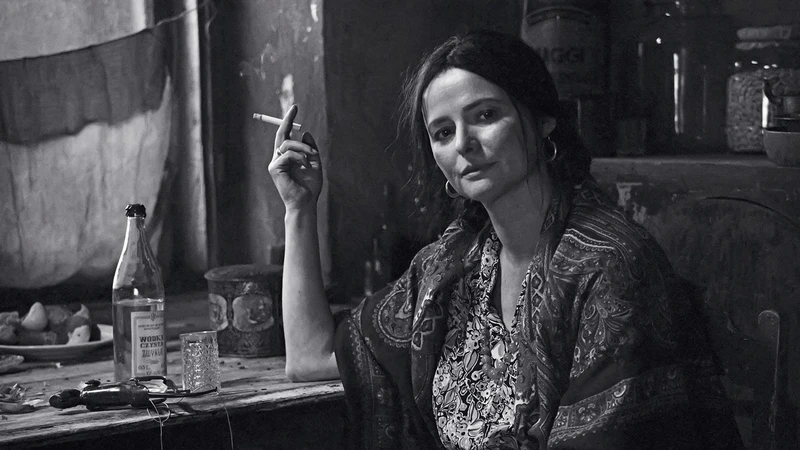
Papusza, the First Romani Poet: Body, Habitat, and Subjectivity
The following article presents a dialogue between authors on the remarkable legacy of Papusza—the first recorded Romani poet—exploring her poetic works, the experience of the body, the inhabiting of space, and its relationship to subjectivity. Papusza’s own writings, together with reconstructions of her life by Melissa Cicchetti and Isabel Fonseca, as well as references to the phenomenology of Edmund Husserl and Martin Heidegger, and later to Sigmund Freud and Jacques Lacan, will be crucial throughout this exploration. The study also seeks to contribute to the recognition of Papusza’s immense artistic legacy and to the construction of the collective memory of the Roma people.
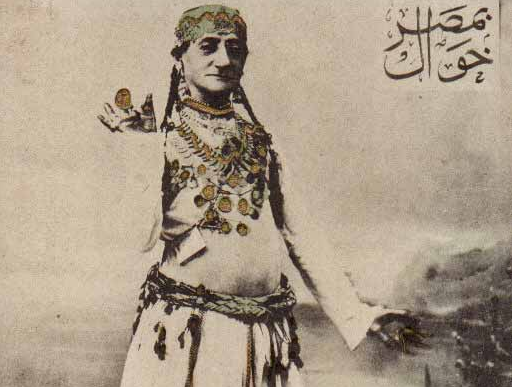
"Khawalat - the Bellydancers"
The khawalat were male dancers from Cairo who, during the eighteenth and nineteenth centuries, enjoyed social recognition. However, their presence has been largely overlooked because raqs sharqi was documented by Western writers and painters as an essentially female practice. Through the analysis of travelers’ accounts, historical sources, academic studies, and contemporary reports, this article examines the trajectory of the khawalat from their earliest mentions to their possible presence in the present day. It explores the ways in which these dancers were described and interpreted by Western observers, as well as the semantic and social transformations associated with the figure of the khawal. It also recovers the memory of historical and contemporary dancers whose practices challenge the gender boundaries commonly attributed to this dance. The article concludes that male participation has been a persistent, although frequently overlooked, component of this dance tradition.
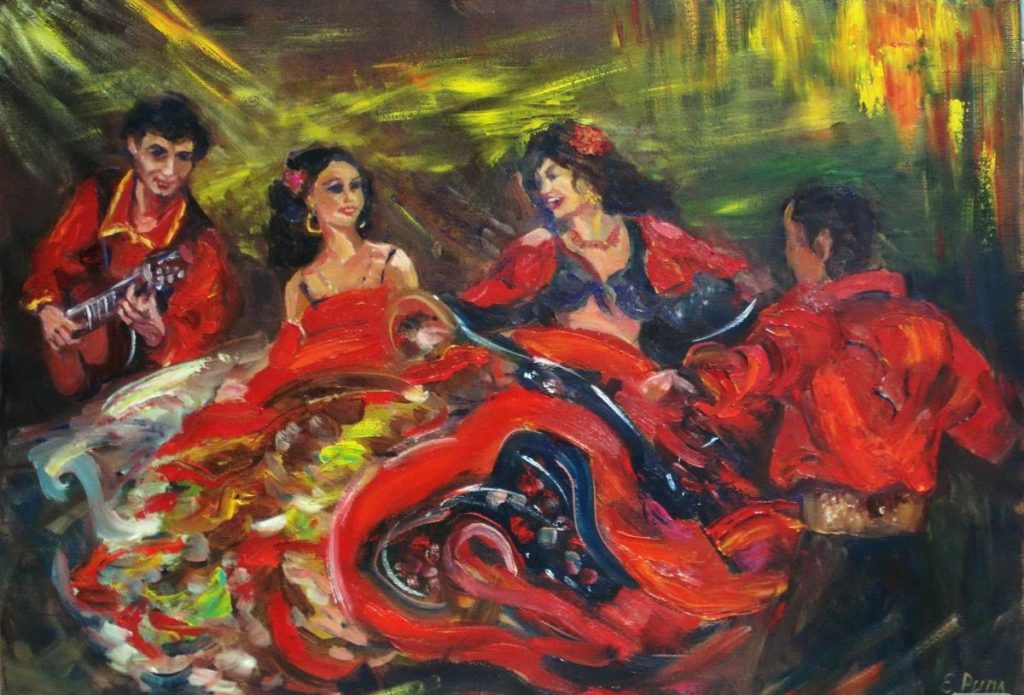
What Do We Mean When We Talk About “Gypsy Style”?
This paper aims to explore the concept of the "gypsy" style within the belly dance repertoire. Its objective is to unravel the style's origins and clarify its proper conceptualization as a Romani style. Drawing on various sources, the text examines the social perceptions surrounding the "gypsy" style stereotype, the etymology of the word “gypsy”, and its correct association with the term "Romani." Finally, a selection of archival photographs of actual Romani people is included, alongside an image generated using "Nano Banana" AI prompts, to illustrate these stereotypes through the use of new technology.
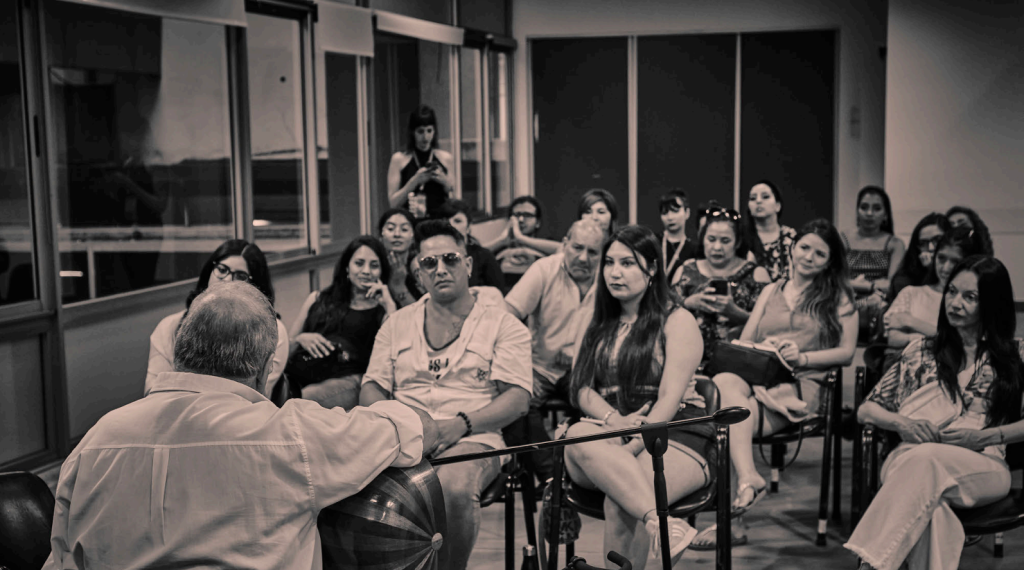
Photography as a Tool for the Documentation and Preservation of the Performing Arts
This article analyzes performing arts photography as a tool for documentation, preservation, and cultural transmission beyond its aesthetic dimension. Using a qualitative, descriptive and reflective approach, it considers the contributions of photographs to the study of technique and expressiveness, to teaching, to the comparison of different stages of a project, and to the construction of artistic, institutional and community memories. It also considers the photographer’s selective gaze and the need to identify, contextualize, organize and preserve images to sustain their documentary value. It concludes that photography does not replace the temporal experience of a performance but transforms its traces into documents accessible to artists, teachers, students, researchers, institutions and communities, thereby linking the present moment of performance to its future study and transmission.
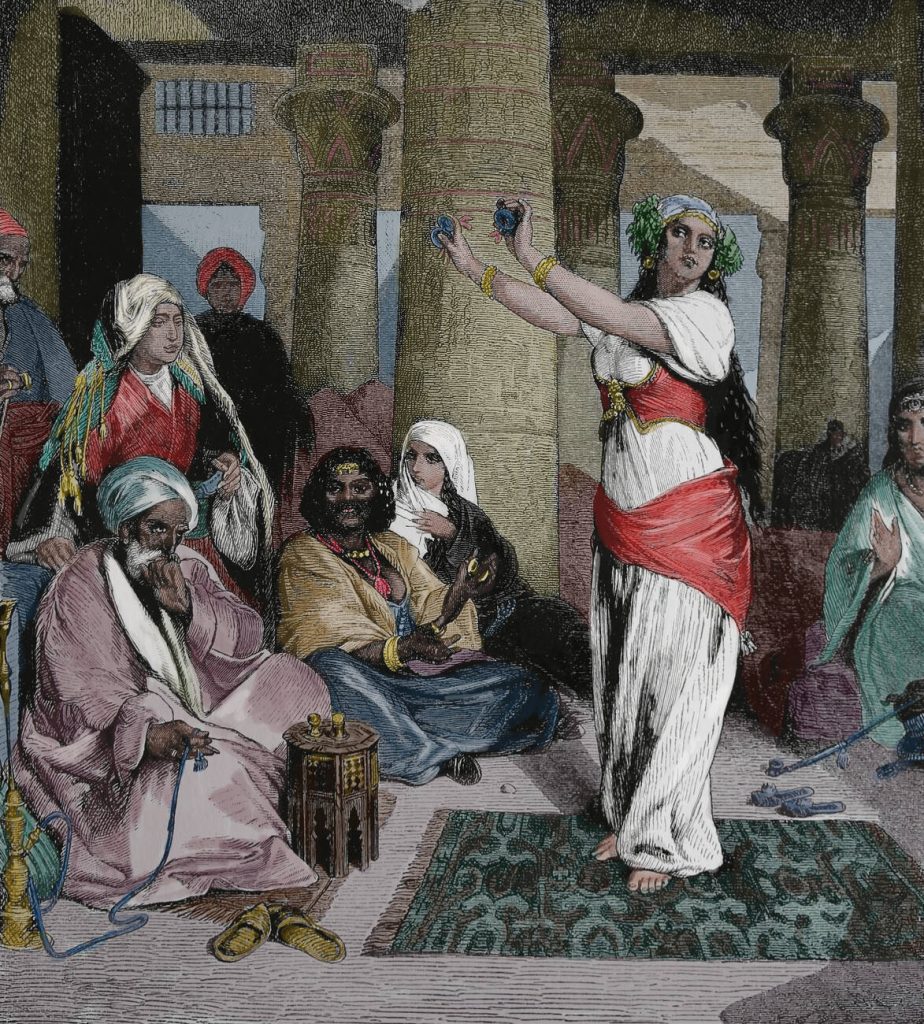
Is There a Uruguayan Style of Bellydance? Bellydance, Identity, and Meanings of the Practice in Uruguay
This study analyzes the contemporary practice of belly dance in Uruguay, aiming to determine whether a distinct Uruguayan style of the dance can be identified. It constructs a theoretical framework based on concepts such as authenticity, cultural hybridization, globalization, glocalization, and Orientalism, integrating these with findings from a survey of 101 individuals connected to the belly dance community and interested audiences. The results indicate that the community does not recognize the existence of a consolidated national style in technical or aesthetic terms. However, they reveal a distinctive way of experiencing and understanding the practice—characterized by a strong focus on well-being, self-discovery, and spirituality, alongside significant influence from international figures, particularly from Egypt. The study also highlights the persistence of Orientalist imagery and the local appropriation of a transnational practice. It concludes that belly dance in Uruguay represents a glocalized expression with unique cultural characteristics, even though it does not constitute a distinct national style.
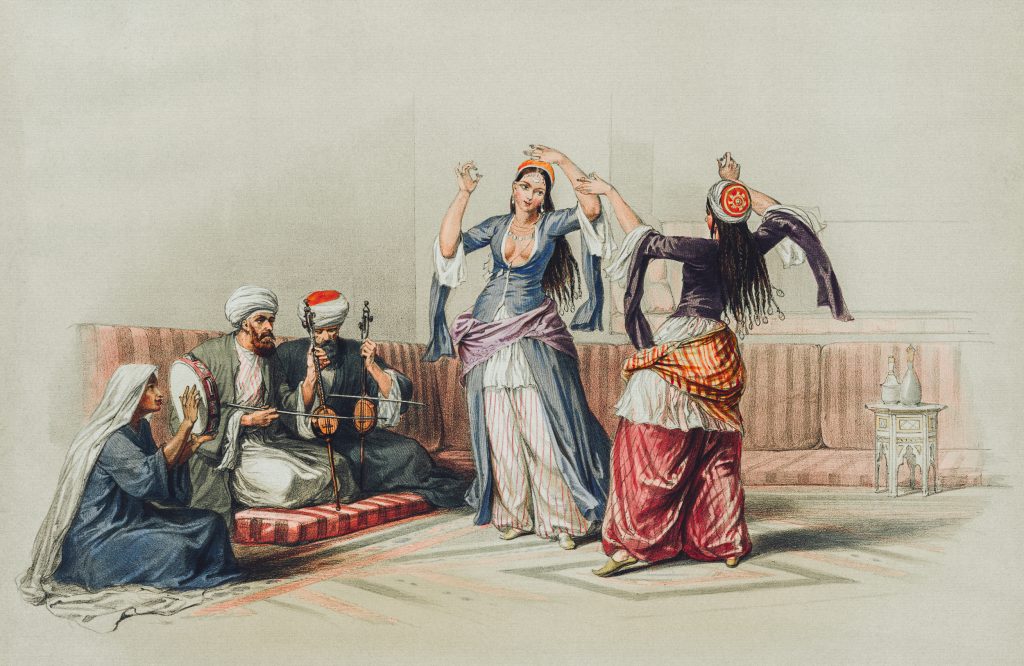
The Authenticity of Bellydance and Cultural Appropriation
Authenticity in bellydance does not constitute an essential or originary quality; rather, it is a performative construction that emerges from the interaction of stage practices, institutional regulations, legitimizing circuits, and historical processes. These factors shape a dynamic regime of conventions that varies across sociocultural contexts. From this perspective, understanding authenticity as a fixed attribute is insufficient for approaching bellydance as a hybrid and transnational form. This study draws on Bracco (2020), Ward/Nisaa (2024), Butler (1990), and Barrionuevo (n.d.), and examines the power relations at play in a particular moment of Egypt’s identity-formation process, showing how modernity does not displace tradition but reconfigures and resignifies it within eclectic forms.
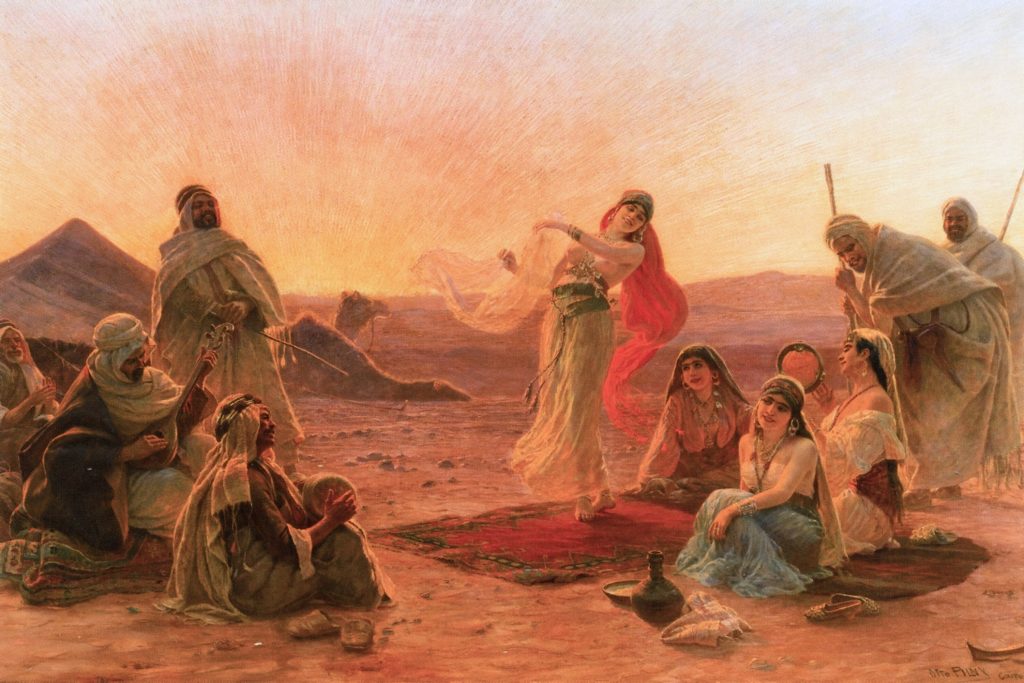
Between Myth and History: Contemporary Debates on the Origins of Bellydance
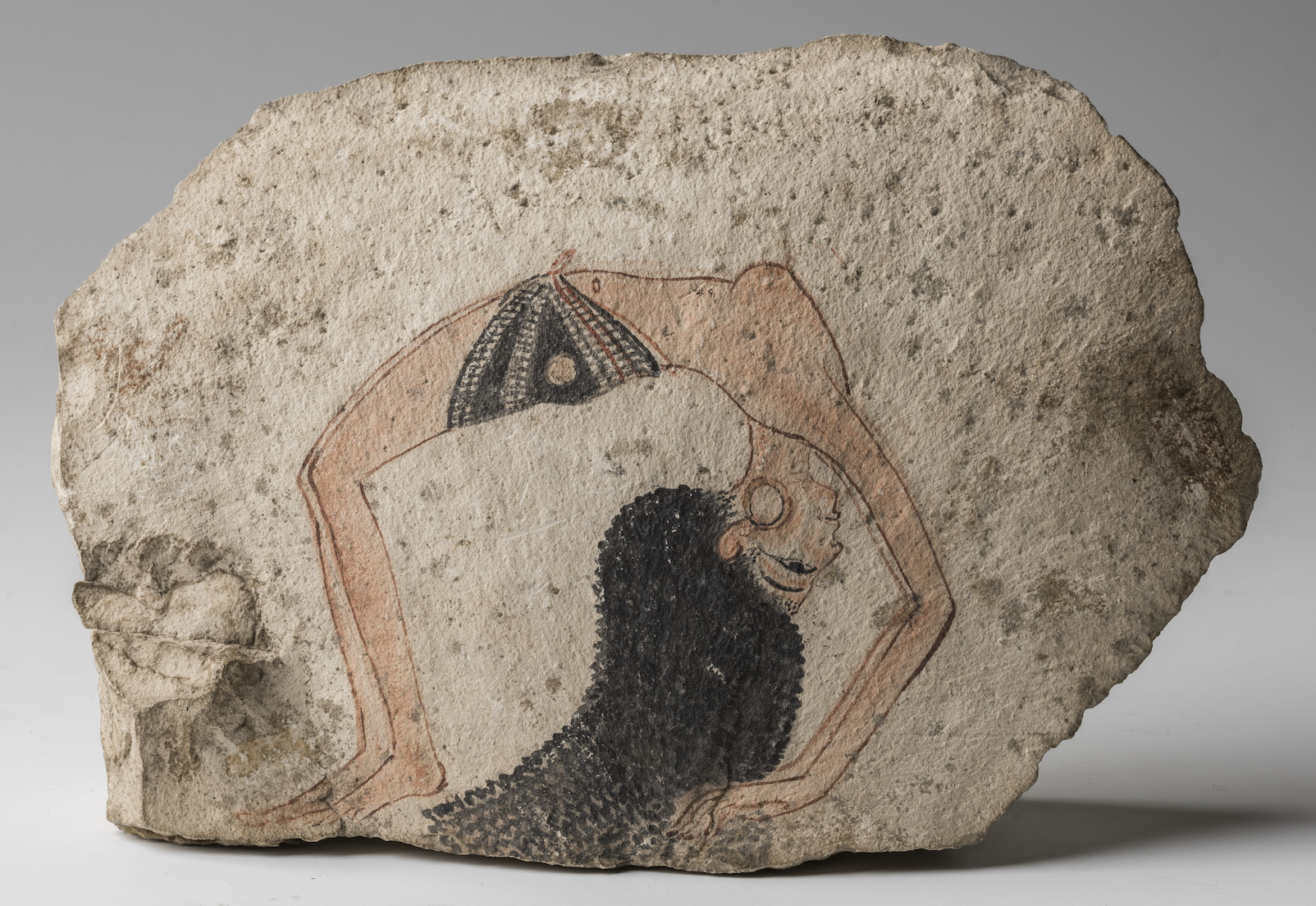
The origin of Bellydance is one of the most debated topics within its historiography. Throughout the 20th century, various interpretations emerged attempting to link this practice to fertility cults, religious rituals, and traditions of Ancient Egypt. However, these proposals have been questioned by recent historiography due to the lack of historical evidence demonstrating a direct continuity between dances documented in Ancient Egypt and the forms of Bellydance developed since the late 19th century. This paper critically reviews the main theories regarding the origins of Bellydance and analyzes the available archaeological, textual, and historiographical evidence. Based on a review of sources from Ancient Egypt and medieval Arab-Islamic societies, it argues that, although dance was widely documented throughout different historical periods, current evidence does not allow for the establishment of an uninterrupted line of historical continuity between these manifestations and the forms of Bellydance documented from the late 19th century to the present.
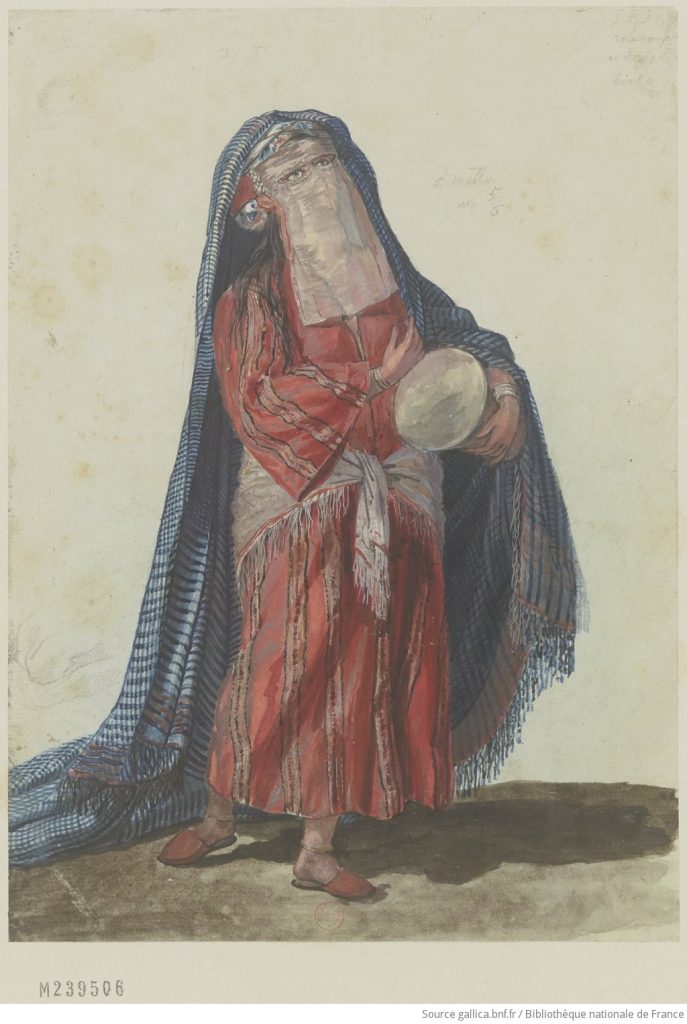
Editorial N°1: “Ahlan Wa Sahlan. Welcome.
This first issue marks the beginning of this academic and scientific publication, dedicated to rigorous research and dissemination of culture and the arts of both Asia and Africa, with a strong interdisciplinary and transdisciplinary approach. Initiated by the Asociación Civil Estudio Sahar —an organization with more than 20 years of experience in dancer training and research on Bellydance under the direction of Lic. Marina Barrionuevo— this journal is the first of its kind led by a scientific committee composed of Bellydance dancers, who are also members of the Estudio Sahar Dance Company.
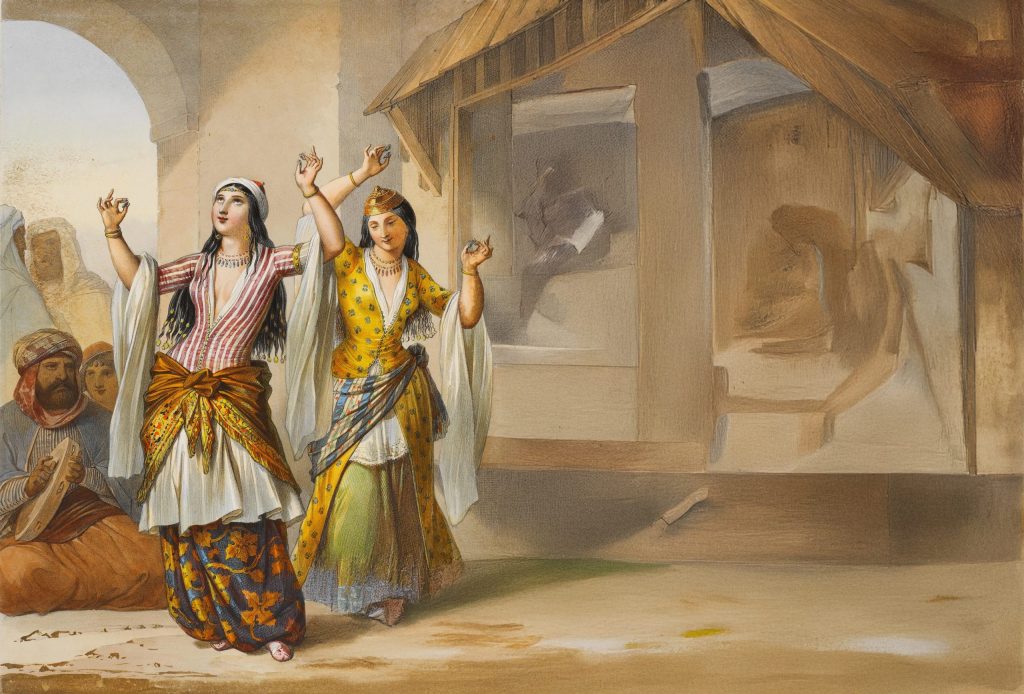
The Ghawãzī of Egypt: complex histories, contested identities
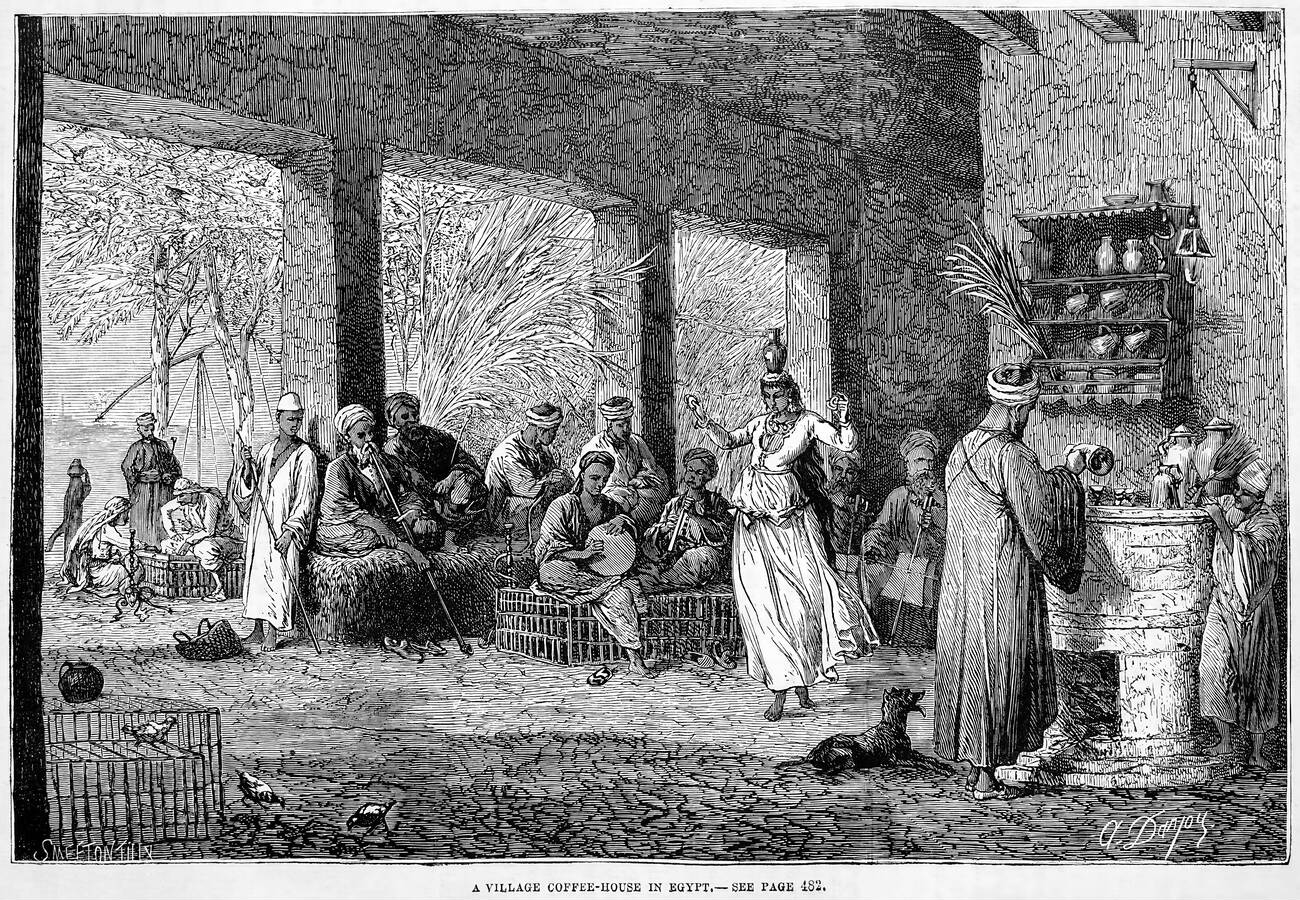
For generations, the ghawāzī of Egypt have been a source of fascination for Egyptians and non-Egyptians alike, yet confusion persists regarding the realities of their identities and histories. This article provides an overview of the complex history of the ghawāzī based on currently available research, and examines the discourse around their ethnic affiliations. In posing the question, who are the ghawāzī, the author interrogates current popular and scholarly understandings of these women and attempts to re-center the conversation on ghawāzī perspectives.